DST 2026: Why Central Europe's Time Change Arrives Earlier
As the days gradually lengthen and the first hints of spring emerge, minds in Central Europe naturally turn to the annual ritual of setting clocks forward. Daylight Saving Time (DST), or "Sommerzeit" as it's known in German-speaking regions, marks a shift towards longer evenings and the promise of warmer months. For 2026, however, you might notice something slightly different: the time change arrives a day earlier than in the previous year. This subtle shift often sparks curiosity, leading many to wonder about the precise mechanism and the underlying **sommerzeit grund** for its varying start date.
Central European Summer Time (CEST) is an integral part of life for millions, influencing everything from daily commutes to leisure activities. Understanding its mechanics, its historical roots, and the simple, yet often overlooked, reason behind its annual fluctuation can demystify this seemingly complex system. This article will delve into the intricacies of DST in Central Europe, explain why 2026 brings an earlier start, and offer practical insights for a seamless transition.
Decoding Daylight Saving Time in Central Europe
At its core, Daylight Saving Time is a practice of advancing clocks during warmer months so that evening daylight lasts longer, and morning daylight appears shorter. This practice is predominantly observed in countries within the temperate zones, aiming to better utilize natural daylight.
In Central Europe, this means a shift to Central European Summer Time (CEST), which is officially known as "Mitteleuropäische Sommerzeit" (MESZ). The transition involves a simple, yet impactful, adjustment:
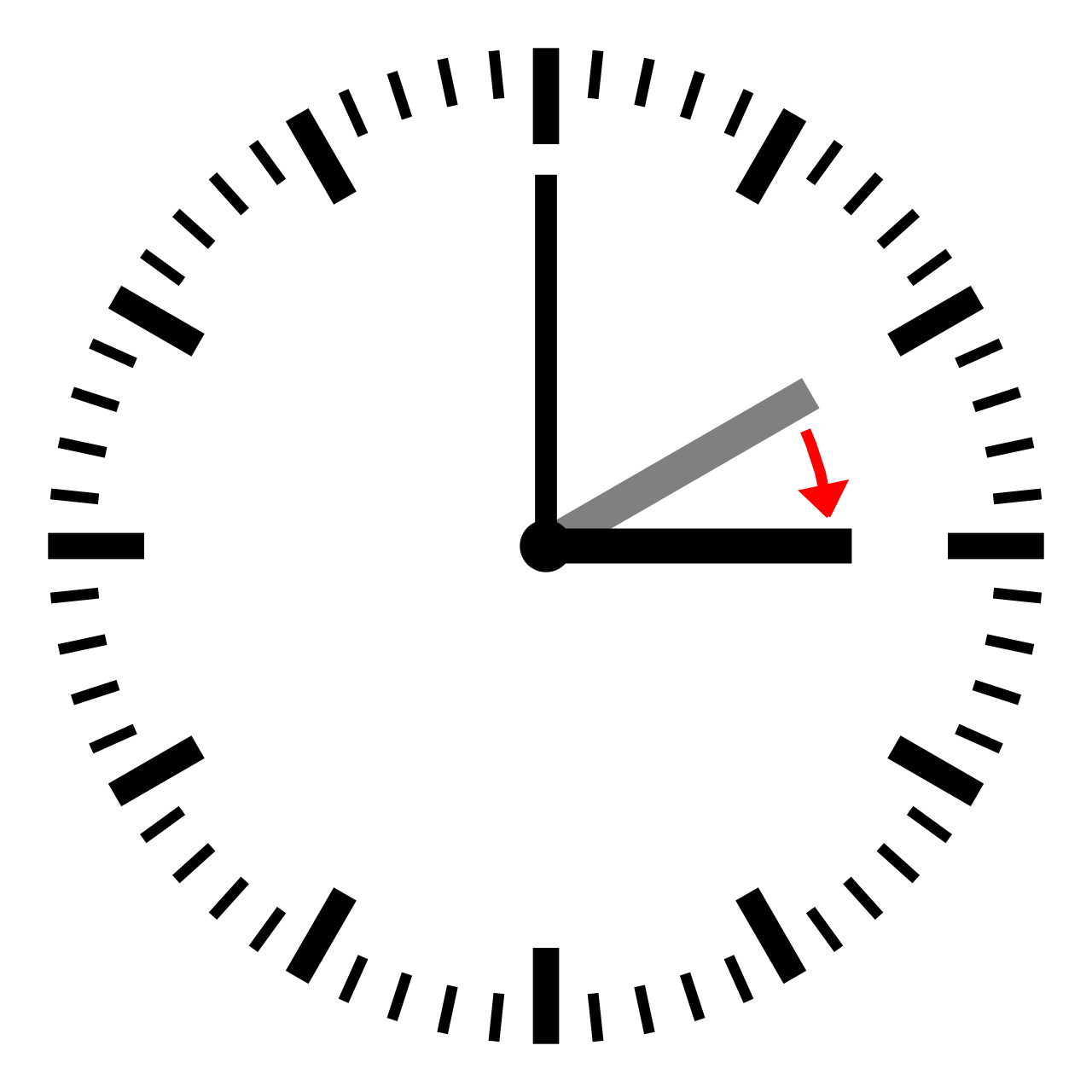
- Start: On the last Sunday in March, at 2:00 AM Central European Time (CET), clocks are moved forward by one hour to 3:00 AM CEST. This means we "lose" an hour of sleep on this particular night.
- End: On the last Sunday in October, at 3:00 AM CEST, clocks are moved back by one hour to 2:00 AM CET. On this night, we "gain" an extra hour, effectively getting an additional hour of sleep.
This system is built upon the foundation of global time zones. Historically, local solar time varied by longitude, leading to a confusing patchwork of times. The international Meridian Conference of 1884 established a standardized system of 24 time zones, each approximately 15 degrees of longitude wide, anchored to the Greenwich Meridian (0°). Central European Time (CET) is defined as the zone time for the 15° East meridian, making it UTC + 1 hour. When Central Europe switches to CEST, it essentially adopts the time of the eastern neighboring time zone, becoming UTC + 2 hours. This provides a uniform legal time across participating countries, ensuring consistency for trade, travel, and communication. To learn more about the specific mechanisms and variations, consider reading our detailed article:
Central European Summer Time: How Clocks Shift and Why It Varies.
Sommerzeit Grund: Why the Date Varies Each Year
The specific question of why DST 2026 kicks off earlier than in 2025 is a common one, and the **sommerzeit grund** is delightfully straightforward: it's all about the calendar. While many might assume a fixed date, the European Union's directive (which Central European countries follow) stipulates that Daylight Saving Time begins on the *last Sunday in March*.
Let's look at the recent pattern:
- In 2025, the last Sunday in March fell on March 30th.
- In 2026, the last Sunday in March falls on March 29th.
This seemingly minor difference of one day is simply due to how weekdays cycle through the calendar year. Since the number of days in a year (365 or 366 in a leap year) is not perfectly divisible by seven (the number of days in a week), the date on which a specific weekday falls shifts slightly year by year. Consequently, the "last Sunday" of any given month will naturally vary within a certain range. This simple calendrical reality is the core **sommerzeit grund** for the annual fluctuation of the DST start date. It's a predictable variation, not a random change or a new policy decision.
The Mechanics of the Clock Change (and What to Expect)
When the clocks spring forward on March 29th, 2026, at 2:00 AM, the immediate consequence is the loss of one hour. For most, this means a slightly shorter night of sleep. However, the trade-off is the eagerly anticipated longer evenings, allowing for more daylight hours after work or school. For automated devices like smartphones and computers, the change will likely happen seamlessly. Manual clocks, however, will require a physical adjustment. This shift, while seemingly small, can impact our circadian rhythms. Experts often recommend gradually adjusting your sleep schedule a few days prior by going to bed 15-30 minutes earlier, which can help ease the transition.
Beyond Central Europe: The Global Context of Time Zones and DST
The concept of standardized time, from which DST springs, is a fascinating aspect of global coordination. Before the late 19th century, every town effectively kept its own local solar time, leading to confusion as travel and communication became faster. The establishment of global time zones, with the Greenwich Meridian as the prime reference, was a monumental step towards synchronicity.
Central European Time (CET) perfectly illustrates this system. It is specifically defined as the zone time for the meridian at 15° East of Greenwich. This means CET is exactly one hour ahead of Coordinated Universal Time (UTC), which is based on the atomic clocks at the Greenwich Meridian (CET = UTC + 1 hour). When Central Europe switches to Sommerzeit (CEST), it becomes UTC + 2 hours.
While many countries in Europe observe DST, the practice is not universal. Some nations, even within Europe, have opted out or are still debating its utility. The debate surrounding DST often touches upon energy savings (its historical justification), economic impacts, and public health concerns related to sleep disruption. These discussions highlight the complex interplay of geographical, social, and political factors in time management. For a deeper dive into the broader justifications and controversies, explore our article:
Daylight Saving Time: Economic & Political Reasons Behind the Shift.
Navigating the Time Change: Tips for a Smooth Transition
The annual time shift, while beneficial for evening daylight, can present minor challenges. Here are some practical tips to help you and your family adapt seamlessly to the 2026 DST change:
- Adjust Gradually: A few days before March 29th, try going to bed 15-20 minutes earlier each night. This can help your body's internal clock (circadian rhythm) adjust more smoothly.
- Prioritize Sleep Hygiene: Ensure your bedroom is dark, quiet, and cool. Avoid heavy meals, caffeine, and alcohol close to bedtime.
- Get Morning Light: Exposure to natural light shortly after waking helps to reset your circadian rhythm. Step outside, open curtains, or go for a morning walk.
- Update Your Devices: Most modern smartphones, computers, and smart devices will update automatically. However, manually check analog clocks, kitchen appliances, and car clocks to avoid confusion.
- Stay Hydrated and Active: Maintaining good hydration and incorporating light physical activity into your routine can also support your body's adjustment.
- Plan Ahead for Commitments: If you have early morning appointments on March 29th or 30th, double-check your schedule to ensure you account for the lost hour.
While the loss of an hour of sleep can feel disruptive, the anticipation of longer, brighter evenings often outweighs the initial inconvenience. Enjoying outdoor activities, dining al fresco, and simply having more daylight hours after the workday are some of the cherished benefits of Sommerzeit.
In conclusion, the earlier arrival of Daylight Saving Time in Central Europe for 2026, falling on March 29th, is not a new decree but a simple function of the calendar's cyclical nature. The fundamental **sommerzeit grund** remains the "last Sunday in March" rule. Understanding this predictable variation helps us anticipate and prepare for the shift, allowing us to embrace the extended daylight hours that come with it. As debates around the future of DST continue, for now, Central Europeans will continue to adjust their clocks, welcoming the promise of longer, brighter days ahead.