Daylight Saving Time: Economic & Political Reasons Behind the Shift
Every year, as spring dawns and autumn approaches, clocks in many parts of the world undergo a curious ritual: they spring forward or fall back. This practice, known as Daylight Saving Time (DST) or Sommerzeit in German-speaking regions, has been a staple of modern life for over a century. While many simply adjust their schedules, a deeper question often lingers: what is the sommerzeit grund – the fundamental reason – behind this annual temporal shift? The answer is complex, rooted deeply in a fascinating interplay of historical circumstance, economic ambition, and political maneuvering.
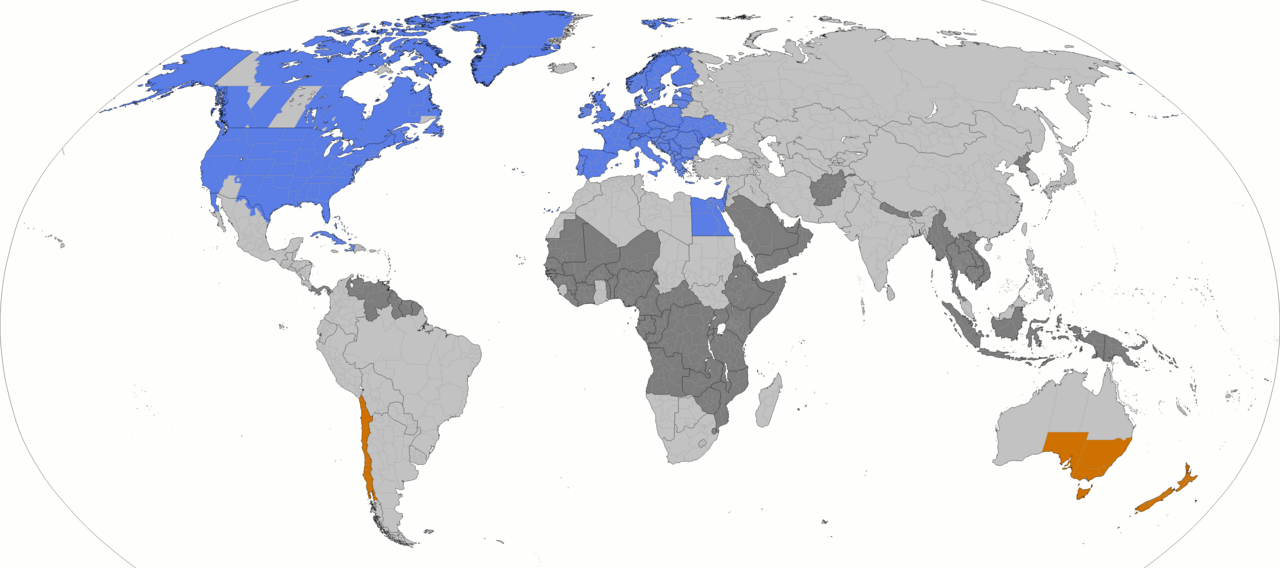
Predominantly observed in countries within temperate zones, DST represents a deliberate deviation from standard zone time. It's a strategic move to maximize daylight hours during the warmer months, aiming to harness natural light for various perceived benefits. To truly understand its persistence, we must peel back the layers of its origins and scrutinize the powerful economic and political forces that have shaped its implementation and continue to fuel the debate around its future.
The Historical Genesis of Standardized Time and DST
Before the advent of standardized time, communities operated on local solar time, where noon was simply when the sun reached its highest point. This created a chaotic patchwork of times, differing by mere minutes for every degree of longitude. As travel and communication advanced, this system proved impractical. The solution arrived with the International Meridian Conference of 1884, which established a global system of 24 time zones, each roughly 15 degrees of longitude wide and differing by precisely one hour. This innovation provided uniformity, ensuring that countries could operate under a consistent time relative to the prime meridian at Greenwich (UTC).
For instance, Central European Time (CET), or Mitteleuropäische Zeit (MEZ), was defined as UTC + 1 hour, aligning with the mean solar time of the 15° East meridian. This standardization vastly improved logistics, trade, and rail travel. However, even with this uniformity, a perceived problem remained: the "wasted" early morning daylight during summer. This realization laid the groundwork for the sommerzeit grund – the drive to manipulate this standardized time further.
Daylight Saving Time emerged as a strategy to effectively shift an hour of morning daylight to the evening. By advancing clocks by an hour, the sunset would occur later by the clock, ostensibly extending the day. This concept, initially championed by figures like George Hudson and William Willett, gained traction primarily during wartime and energy crises, when conservation became paramount. It was an innovative, albeit controversial, addendum to the carefully constructed system of global time zones.
Economic Drivers: More Daylight, More Dollars?
At its heart, a significant sommerzeit grund has always been economic. The initial and most frequently cited justification for DST was energy conservation. During the World Wars and subsequent energy crises, governments sought to reduce the demand for artificial lighting in the evenings. The theory was simple: more daylight in the evening would mean fewer hours of electric light needed, thus saving precious resources.
- Energy Savings: While historically significant, modern research on actual energy savings is mixed and often inconclusive. Advancements in lighting technology, increased use of air conditioning during longer, hotter evenings, and shifts in daily routines mean the energy-saving benefits are not as clear-cut as once presumed.
- Boost to Retail and Leisure: A more compelling economic argument in contemporary society is the potential boost to consumer spending. Longer daylight hours in the evening are believed to encourage people to shop, dine out, engage in outdoor recreational activities, and attend events after work. This extended period of perceived "leisure time" translates into increased economic activity for industries such as retail, hospitality, and entertainment. Imagine the boon for beer gardens, outdoor cafes, and sporting events when the sun sets an hour later by the clock.
- Tourism Benefits: For the tourism sector, DST is often seen as a significant advantage. Tourists appreciate longer evenings for sightseeing, exploring cities, and participating in outdoor excursions. This extended window of daylight can enhance visitor experience and potentially lead to longer stays and higher spending, directly benefiting local economies.
However, these economic benefits are not without debate. Critics argue that any gains in one sector might be offset by losses in others, or by the costs associated with the disruption caused by time changes. The perception of benefit can sometimes outweigh the hard data, making the economic argument a complex and evolving one.
Political & Social Dimensions: A Complex Balancing Act
Beyond economics, political and social factors play an equally crucial role in the persistence of DST, serving as another key sommerzeit grund. The decision to implement or abolish DST is rarely a simple one, often reflecting national priorities, international alignment, and public sentiment.
- National Unity and Standardization: In regions like Europe, the synchronized application of DST (Central European Summer Time, or MESZ/CEST) is a powerful example of political coordination. For decades, EU directives have mandated that member states adjust their clocks on the same dates, ensuring seamless cross-border travel, trade, and communication. This desire for uniformity helps avoid logistical nightmares that would arise if neighboring countries operated on different time systems for part of the year. For a deeper dive into these nuances, you can explore Central European Summer Time: How Clocks Shift and Why It Varies.
- Quality of Life and Public Health Debates: The social impact of DST is perhaps the most contentious. Proponents argue that more evening daylight leads to improved public mood, encourages outdoor physical activity, and can even reduce crime rates. Conversely, a growing body of research highlights the negative effects: sleep disruption, increased risk of heart attacks and strokes in the days following the spring forward, and general disorientation as human circadian rhythms struggle to adjust. These health concerns have become a significant counter-argument to the traditional justifications for DST.
- Public Opinion and Political Pressure: The debate over DST's abolition has gained significant political traction, particularly within the European Union. Public consultations have shown a strong preference among citizens to end the practice. However, reaching a political consensus on which time to adopt permanently (standard time or summer time) has proven challenging, as countries have diverse geographical locations and preferences. This political stalemate underscores the difficulty of finding a solution that satisfies all stakeholders.
The decision to maintain or discard DST is thus a delicate balancing act, weighing perceived economic advantages against documented health impacts and the complexities of international political agreement.
The Mechanics of the Shift: When and Why it Varies
For those in Central Europe, the transition to Daylight Saving Time (MESZ/CEST) follows a consistent pattern, yet the exact calendar date shifts annually. The clock moves forward by one hour on the last Sunday in March at 2:00 AM MEZ, effectively jumping from 2:00 AM to 3:00 AM. This marks the start of Central European Summer Time. The reversal occurs on the last Sunday in October at 3:00 AM MESZ, when the clock falls back from 3:00 AM to 2:00 AM, returning to standard Central European Time (MEZ/CET).
While the "last Sunday" rule provides a clear directive, the actual date varies from year to year because the calendar days of the week shift. For example, as highlighted by recent discussions, the switch to DST in 2026 will occur on March 29th, a day earlier than in 2025. This variation is simply a consequence of how Sundays align with the calendar. Understanding these specific shifts is crucial for planning and logistics, whether for travel, business, or personal schedules. For more details on why these dates vary, especially concerning upcoming shifts, you might find our article DST 2026: Why Central Europe's Time Change Arrives Earlier particularly insightful.
This annual adjustment, mandated by EU directives for member states, ensures a coordinated change across the bloc, minimizing disruption. A simple mnemonic to remember the change is "spring forward, fall back" – a helpful reminder to adjust your clocks accordingly and avoid missing an appointment or arriving too early!
Conclusion: The Enduring Debate
The practice of Daylight Saving Time, or Sommerzeit, is far more than a simple annual clock adjustment. It's a deeply entrenched system with a multifaceted sommerzeit grund, driven by a blend of historical context, economic aspirations, and political realities. From its origins in energy conservation and maximizing evening daylight for commerce, to its current role in fostering international standardization, DST has evolved to serve various purposes.
Yet, the debate surrounding its efficacy and future remains vibrant. While proponents continue to cite economic benefits for certain sectors and the convenience of unified time, growing concerns over public health, sleep disruption, and ambiguous energy savings challenge its continued relevance. As policymakers grapple with public opinion and the complexities of international agreement, the future of Daylight Saving Time hangs in the balance. Whether it continues as a global ritual or eventually fades into history, its legacy as a unique solution to the challenges of modern timekeeping will undoubtedly endure.