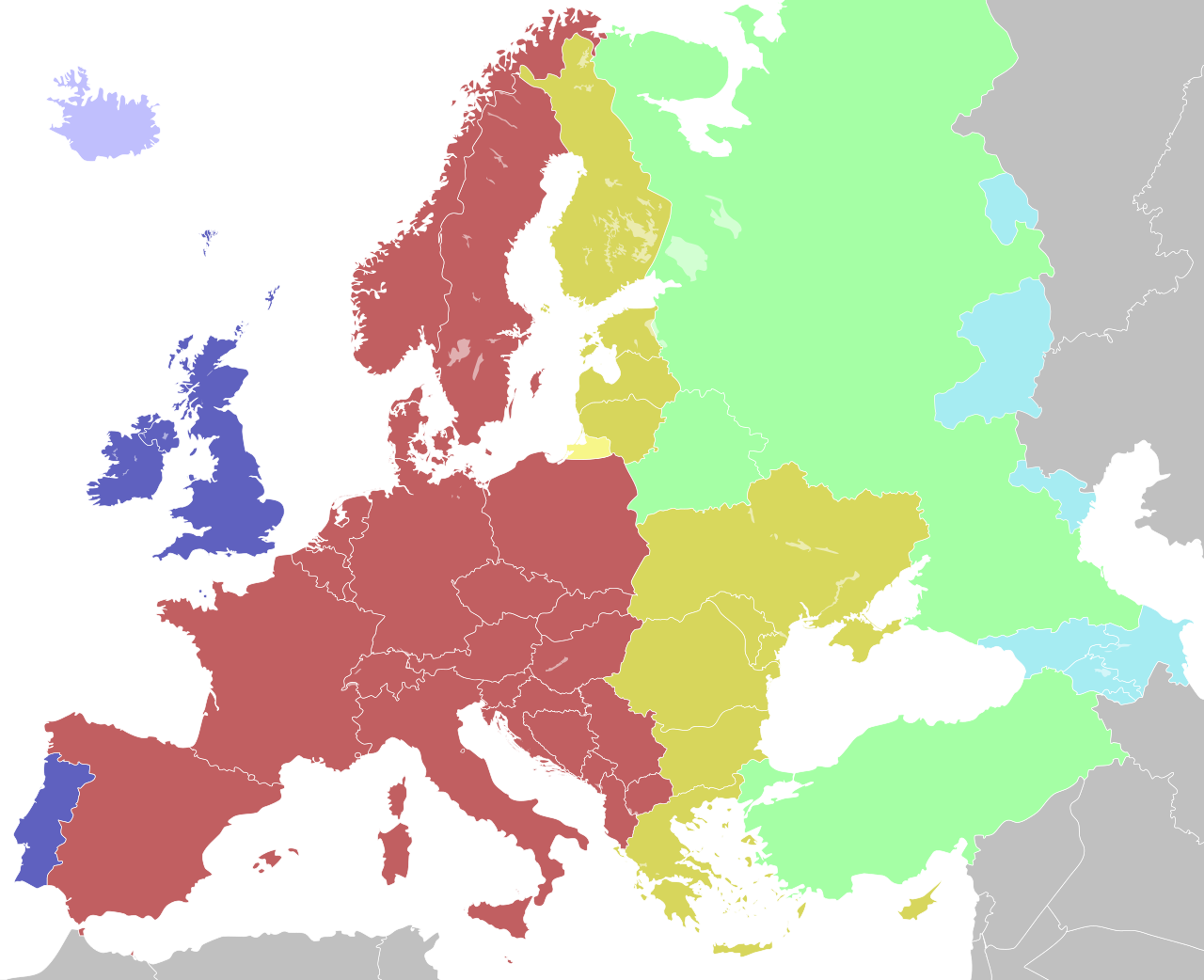
Every year, as the days begin to lengthen, clocks across Central Europe undergo a curious ritual: they "spring forward" into what is known as Central European Summer Time (CEST), or in German, Sommerzeit. This annual adjustment, a temporary departure from standard time, aims to make better use of daylight during the warmer months. But how exactly do these clock shifts work, and what is the underlying sommerzeit grund, or reason, behind their variation and very existence? Delving into the historical roots of timekeeping and modern regulations reveals a fascinating interplay of astronomy, economics, and politics.
Understanding Central European Summer Time (CEST): The Annual Clock Shift
At its heart, Daylight Saving Time (DST), or Sommerzeit, is a system where clocks are advanced, typically by one hour, during the summer half of the year. This effectively shifts an hour of daylight from the morning to the evening, making the day feel longer and brighter after work or school. While the concept is global, its application is largely confined to countries in temperate zones, where seasonal daylight variations are most pronounced.
Defining Sommerzeit: More Than Just a Clock Change
In essence, Sommerzeit serves as a period when the legally observed time deviates from the standard time zone. For Central Europe, this means moving from Central European Time (CET), which is UTC+1, to Central European Summer Time (CEST), which becomes UTC+2. This shift is designed to align human activity patterns more closely with natural light cycles, with historical arguments often citing potential energy savings and increased productivity or leisure opportunities.
The Mechanics of Central Europe's Time Adjustment
The transition to and from CEST follows a predictable schedule for most of Europe. Clocks are adjusted twice a year:
- Spring Forward: Central European Summer Time (MESZ/CEST) begins on the last Sunday in March. At precisely 2:00 AM Central European Time (CET), clocks are advanced by one hour, jumping directly from 2:00 AM to 3:00 AM. This means we "lose" an hour of sleep, but gain an hour of evening daylight.
- Fall Back: The return to Central European Time (MEZ/CET) occurs on the last Sunday in October. At 3:00 AM Central European Summer Time (CEST), clocks are turned back by one hour, effectively repeating the hour from 2:00 AM to 3:00 AM. This grants an extra hour of sleep and marks the transition to shorter, darker winter days.
This standardized approach across many European countries ensures consistency for travel and cross-border activities, although the underlying sommerzeit grund for its continued existence remains a subject of debate.
The Historical and Scientific Sommerzeit Grund: Why We Have Time Zones and DST
To truly understand the sommerzeit grund, we must first appreciate the evolution of how we measure time itself. For centuries, people relied on local solar time, where noon was defined by the sun's highest point. While intuitive, this system led to chaos as travel and communication sped up.
From Local Solar Time to Global Standardization
Imagine a world where every town had its own time, differing by minutes from its neighbor based on its precise longitude. This was largely the reality before the late 19th century. A geographical longitude difference of just one degree corresponds to a four-minute time difference. To remedy this, the international Meridian Conference of 1884 established a global system of 24 time zones, each approximately 15° of longitude wide. This landmark decision anchored time to the Greenwich Meridian (0° longitude) and assigned each zone a standard "zone time."
This system gave rise to concepts like Coordinated Universal Time (UTC), the modern successor to Greenwich Mean Time (GMT), and our familiar Central European Time (CET), which is defined as UTC + 1 hour. This standardization ensures that within a given zone, time runs uniformly and consistently, deviating minimally from the average local solar time.
The Core Principle Behind the Summer Shift
The practice of Sommerzeit or Daylight Saving Time isn't about redefining time zones; it's about temporarily adopting the time of the *next* time zone to the east. For Central Europe, this means shifting from CET (UTC+1) to CEST (UTC+2). The fundamental sommerzeit grund for this has historically been rooted in pragmatic, often economic and political, considerations.
From a technical standpoint, adopting an eastern neighbor's time means that sunrise and sunset occur later by the clock. This was initially championed to save energy, particularly during wartime, by reducing the need for artificial lighting in the evenings. While the energy-saving benefits are now widely debated and often found to be negligible or even negative, the principle of maximizing daylight in the evening for leisure and commerce remains a key argument. You can explore the intricate motivations further in our detailed article: Daylight Saving Time: Economic & Political Reasons Behind the Shift.
Why the Dates Vary: The Annual Calendar Shift and EU Directives
While the rules for Central European Summer Time are fixed – the last Sunday in March and the last Sunday in October – the actual calendar dates on which these changes occur vary from year to year. This simple fact is often a source of confusion.
The "Last Sunday" Rule Explained
The reason for the fluctuating dates is straightforward: the "last Sunday" of a month can fall on different calendar days depending on how the days of the week align in any given year. For instance, in 2025, Central Europe switched to DST on March 30th. However, in 2026, the shift occurs a day earlier, on March 29th.
These precise timings are not arbitrary but are harmonized across the European Union. EU directives ensure that all member states observing DST make the change on the same date and at the same time. This pan-European coordination minimizes disruption for cross-border travel, trade, and communication, making the transitions smoother for millions of people. For more insights into specific upcoming changes, read: DST 2026: Why Central Europe's Time Change Arrives Earlier.
Navigating the Transition: Practical Advice
The annual clock change, whether "springing forward" or "falling back," can subtly disrupt our circadian rhythms. Adjusting to the new time, especially in spring when an hour is "lost," can lead to temporary fatigue or reduced productivity. Here are some practical tips to help ease the transition:
- Gradual Adjustment: A few days before the spring change, try going to bed 15-20 minutes earlier each night. For the fall change, staying up a little later can help.
- Prioritize Sleep: Ensure you get adequate sleep in the days leading up to and immediately after the time change.
- Embrace Morning Light: Exposure to natural light in the mornings can help reset your internal clock. Open curtains, go for a walk, or have breakfast near a window.
- Maintain Routines: Stick to your regular meal and exercise schedules as much as possible to provide consistency for your body.
- Check Your Devices: Most modern digital devices (smartphones, computers, smartwatches) automatically adjust. However, remember to manually change analog clocks, car clocks, and older appliances.
The Broader Impact and Ongoing Debate Surrounding DST
While the mechanisms of Central European Summer Time are clear, its benefits and drawbacks have been a topic of continuous debate for decades. The original sommerzeit grund of energy conservation is now largely challenged, prompting a reevaluation of the practice.
Perceived Benefits vs. Documented Challenges
Historically, proponents argued that DST extended daylight into the evening, which could save energy by reducing the need for artificial lighting, boost retail sales, and provide more time for outdoor activities. However, numerous studies have cast doubt on these claims, with some even suggesting that energy consumption might increase due to greater use of air conditioning in the evenings or increased morning heating.
The challenges associated with DST are increasingly highlighted. These include potential health impacts from disrupted sleep patterns and circadian rhythms, leading to increased risks of heart attacks, strokes, and even road accidents in the days following the spring change. Furthermore, the economic costs of coordinating the change, potential confusion for travel and logistics, and even the disruption to agricultural practices contribute to the growing call for its abolition.
The Future of Sommerzeit in Europe
The European Union has been actively discussing the future of DST since a public consultation in 2018 revealed overwhelming support for its abolition. While the European Parliament voted in favor of ending the practice, the decision remains complex. Member states have yet to agree on whether to permanently adopt summer time or winter time, creating a legislative deadlock. The challenge lies in avoiding a patchwork of different time regimes across the continent, which could lead to significant disruptions in the single market and daily life. Until a consensus is reached, the annual clock shift will continue to be a regular feature of the Central European calendar.
Conclusion
Central European Summer Time is more than just an annual inconvenience; it's a testament to our ongoing efforts to harness and standardize time. From the ancient practice of local solar time to the global network of time zones established in 1884, and finally to the modern implementation of DST, each step reflects a complex interplay of scientific principles, economic aspirations, and political decisions. The sommerzeit grund, once seen as a clear benefit, is now intensely scrutinized, highlighting a dynamic tension between tradition, convenience, and our understanding of human well-being. As the debate over its future continues, the annual rhythm of "springing forward" and "falling back" reminds us of the profound impact time synchronization has on our lives.